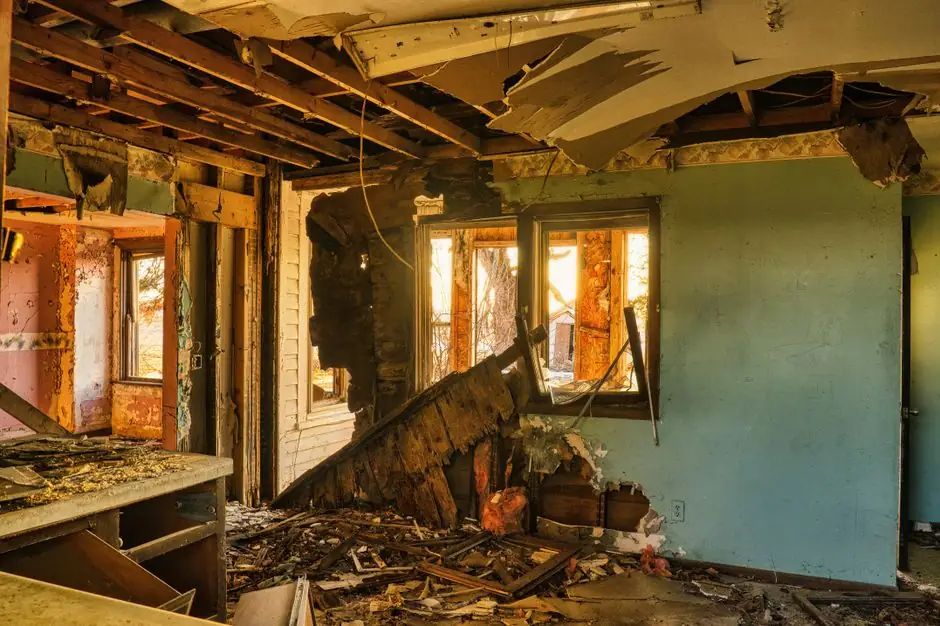
Termites can cause significant damage to your home, often going unnoticed until it's too late. Identifying the signs of termite damage early can save you thousands in repairs. In this article, we will explore how to spot these signs and what steps you should take if you suspect an infestation.
Understanding Termites
Termites are small insects that feed on wood, paper, and other cellulose materials. There are several types of termites, but the most common in Massachusetts are subterranean and drywood termites. Subterranean termites live underground and can travel through the soil to reach your home's foundation, while drywood termites can infest wooden structures without needing contact with the soil.
Common Signs of Termite Damage
Recognizing the signs of termite damage early is crucial. Here are some common indicators:
- Wood Damage: Look for hollowed-out wood, which may sound hollow when tapped.
- Frass: This is termite droppings, which resemble small pellets or sawdust.
- Swarmers: Winged termites may swarm in spring as they look to establish new colonies.
- Mud Tubes: Subterranean termites build mud tubes to protect themselves while traveling between their colony and food sources.
If you notice any of these signs, it's important to take action immediately to prevent further damage.
Visual Inspection Tips
Conducting a thorough inspection of your home can help identify termite damage. Here are some tips:
- Check wooden structures, including beams, floors, and furniture.
- Inspect areas prone to moisture, such as basements and crawl spaces.
- Look for signs of mud tubes along foundation walls.
- Use a flashlight to look into dark areas where termites may hide.
In Massachusetts, older homes are particularly vulnerable to termite infestations due to the age of the wood and potential moisture issues. If you live in an area like Worcester, where many houses have wooden structures, regular inspections are essential.
What to Watch Out For
There are several common mistakes homeowners make when dealing with potential termite damage:
- Ignoring Small Signs: Small signs can lead to bigger problems if not addressed.
- Delaying Inspections: Regular inspections can catch infestations early.
- Assuming DIY Solutions Work: Professional termite control is often necessary for effective treatment.
Being proactive can help prevent extensive damage and costly repairs.
When to Call a Professional
If you suspect termite damage, it's time to call in the experts. Massachusetts Pest Pros offers comprehensive termite control services to help identify and eliminate infestations. Our trained professionals can assess the damage and recommend the best course of action.
Frequently Asked Questions
How can I tell if I have termites?
Look for signs such as mud tubes, frass, and hollowed wood. If you notice any of these, consider having a professional inspection.
Are termites dangerous to my home?
Yes, termites can cause extensive damage to the structure of your home, leading to costly repairs if not addressed promptly.
What should I do if I find termites?
Contact a pest control professional immediately. They can provide effective treatment and prevention strategies.
How much does termite treatment cost?
The cost varies depending on the extent of the infestation and the treatment method, but it typically ranges from $200 to $2,500.
Can I prevent termites?
Yes, maintaining proper drainage, reducing moisture, and sealing entry points can help prevent infestations.
Get help with Pest Control in Massachusetts
If you suspect termite damage or want to prevent future infestations, contact us today. Our team at Massachusetts Pest Pros is ready to help you protect your home.
Call us at 8333952347 for a consultation and get the best pest control services in Massachusetts.